Latest Release
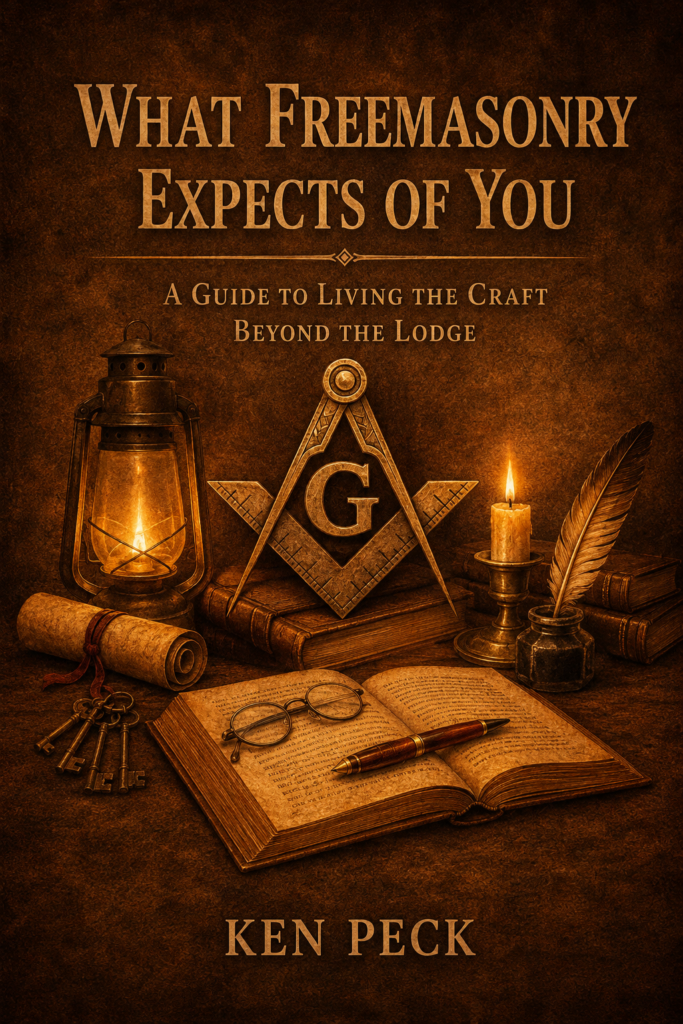
What Freemasonry Expects of You: A Guide to Living the Craft Beyond the Lodge
Freemasonry offers a man many things: symbols, ritual, working tools, tradition, Brotherhood, instruction, and opportunities to serve. But none of those things can make him a better man unless he chooses to put them to use.
What Freemasonry Expects of You is a practical and reflective guide to the responsibilities that come with being a Mason. It is not a book about memorizing ritual, collecting titles, or simply belonging to a Lodge. It is about what happens after the degree is finished, after the meeting closes, and after the apron comes off.
At its heart, the book asks a simple question: What should Freemasonry actually expect from the man who has chosen to become part of the Craft?
The answer begins with character. Masonry does not create goodness from nothing. It expects a man to arrive with a moral foundation already in place—honesty, decency, responsibility, and the ability to distinguish right from wrong. From there, the work begins. A Mason must learn to govern himself, let his word mean something, develop moral courage, remain teachable, and never assume that the work of self-improvement is finished.
The book then turns from the individual Mason to the meaning of Brotherhood. Paying dues and attending meetings may make a man a member, but Brotherhood asks for more. It means practicing charity in ways that go beyond financial giving. It means seeking harmony without demanding agreement, noticing when a Brother is absent or struggling, welcoming the new Mason, helping without waiting to be asked, contributing rather than merely attending, respecting what previous generations have entrusted to the Craft, and helping another Mason find his way.
In the final section, the focus moves beyond the Lodge room. A Mason cannot divide his life into “Masonic” and “ordinary.” The lessons of the Craft must follow him home, to work, into his community, and into the way he treats family, coworkers, employees, customers, neighbors, strangers, and even those who irritate him. A man who wears a Masonic ring, displays the Square and Compasses, posts about Freemasonry online, or is simply known to be a Mason becomes, fairly or unfairly, a representative of the fraternity. The public will eventually judge the Craft by the conduct of the men who claim it.
Throughout the book, one principle remains constant: Freemasonry can offer the tools, but it cannot do the work. Ritual can inspire. Mentors can encourage. Brothers can support. The Lodge can teach. But the final decision always belongs to the individual Mason.
Among the questions explored are:
What does it really mean to “do the work” of Masonry?
How should a Mason govern his temper, pride, appetites, speech, and reactions?
Why does a man’s word matter most when keeping it becomes inconvenient?
What does moral courage look like when it is quiet rather than confrontational?
How can a Mason remain teachable after years of experience or service?
What is the difference between giving to charity and being charitable?
How can Brothers disagree without damaging harmony?
What should the word “Brother” actually mean in practice?
What does a Mason owe the traditions and ritual entrusted to his generation?
How can experienced Masons help newer Brothers without trying to control their path?
What does it mean to live Masonry when the apron comes off?
How should a Mason conduct himself in public and online?
What will be stronger because he was here?
The book closes with a Personal Masonic Examination, a set of reflective questions designed to help the reader consider where he stands in relation to the expectations discussed throughout the book. These questions are not a test and carry no score. They are intended to help a Mason identify where growth has occurred and where the work may still remain.
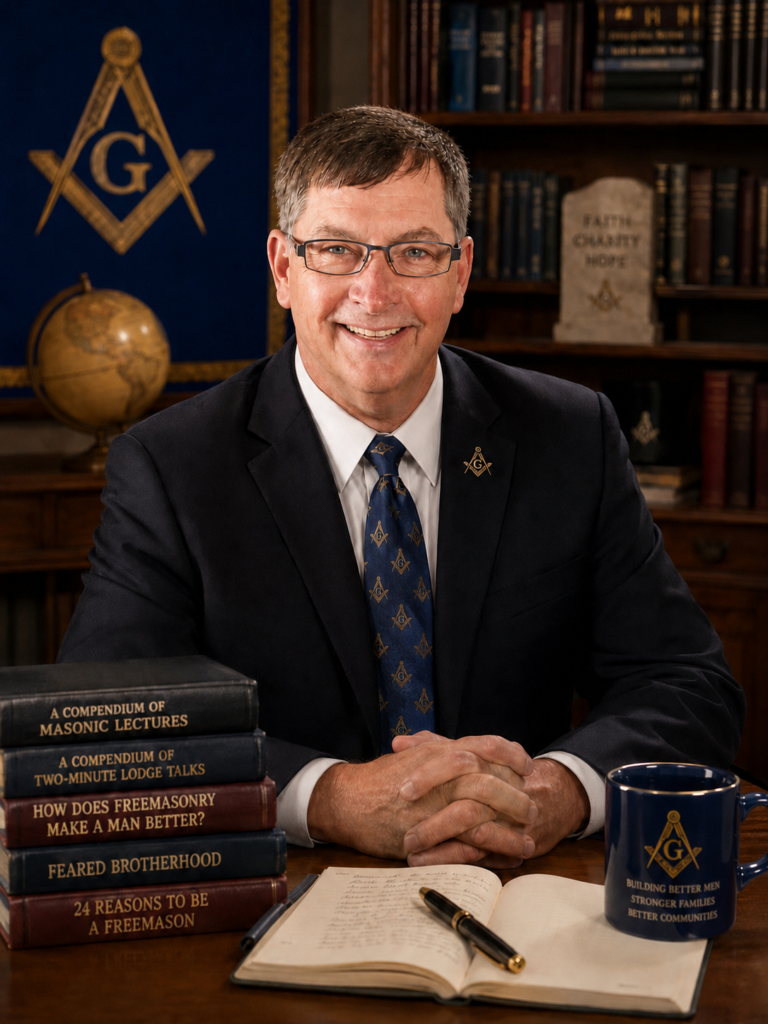
What Freemasonry Expects of You is written for new Masons, longtime Brothers, Lodge officers, Past Masters, mentors, and anyone who believes that the real value of Freemasonry is found not merely in what a man knows, but in how he lives.
Freemasonry can show a man the work.
It can place the tools within reach.
But it cannot lift them for him.
The work is his.